
A typical hydraulic system includes a reservoir, pump, motor, hydraulic fluid, filtration, valves, hoses or tubing, and an actuator such as a cylinder or hydraulic motor. Systems may also include manifolds, accumulators, heat exchangers, pressure gauges, sensors, and electronic controls.
Start with the required force, available operating pressure, stroke length, and desired movement speed. Bore size affects cylinder force, while system flow affects speed. Rod diameter, mounting style, side loading, duty cycle, temperature, and buckling resistance must also be considered.
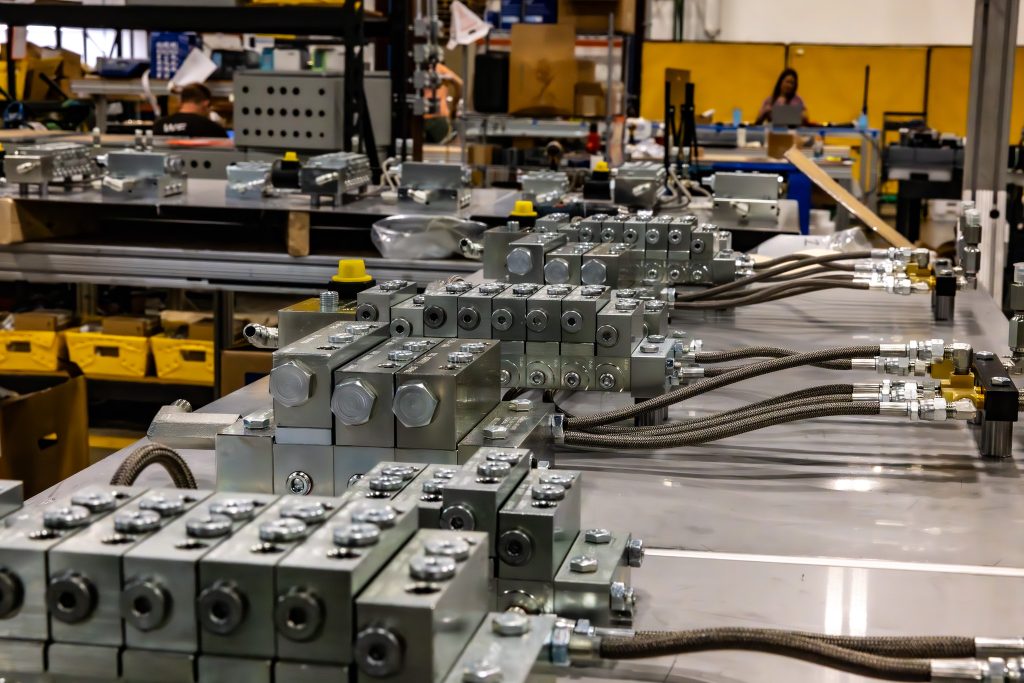
A hydraulic manifold directs fluid between the pump, valves, actuators, and reservoir. Internal passages replace some external hoses and tubing while providing a centralized location for directional, pressure, flow, and check valves.
Choose hydraulic hose based on working pressure, pressure surges, temperature, hydraulic fluid compatibility, inside diameter, bend radius, routing, abrasion exposure, and fitting requirements. The pressure rating of the complete hose assembly must meet the application requirements.
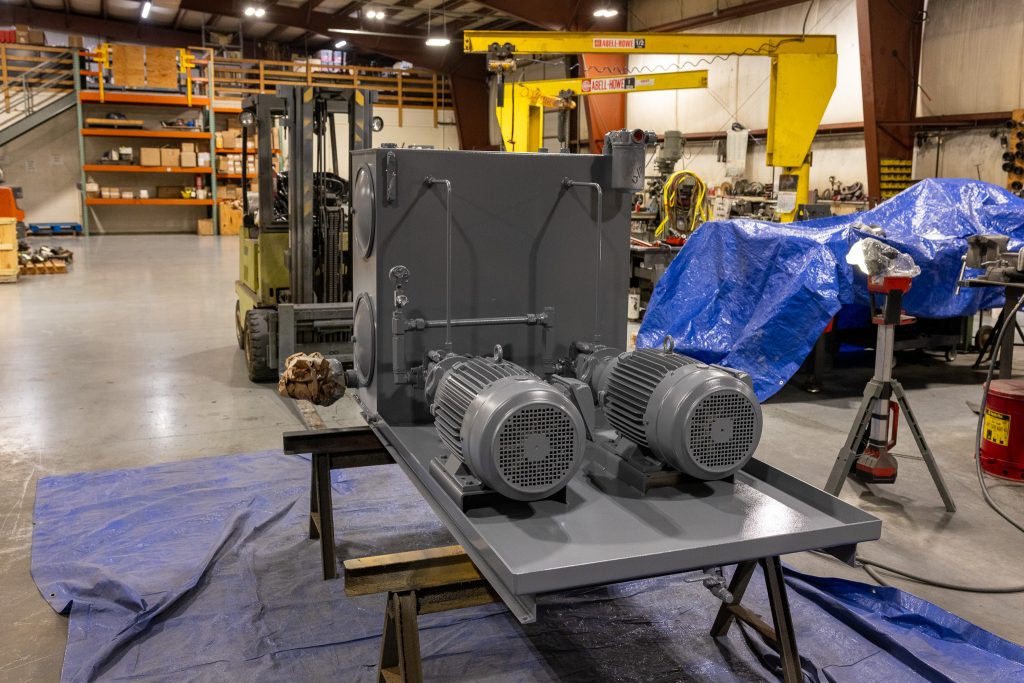
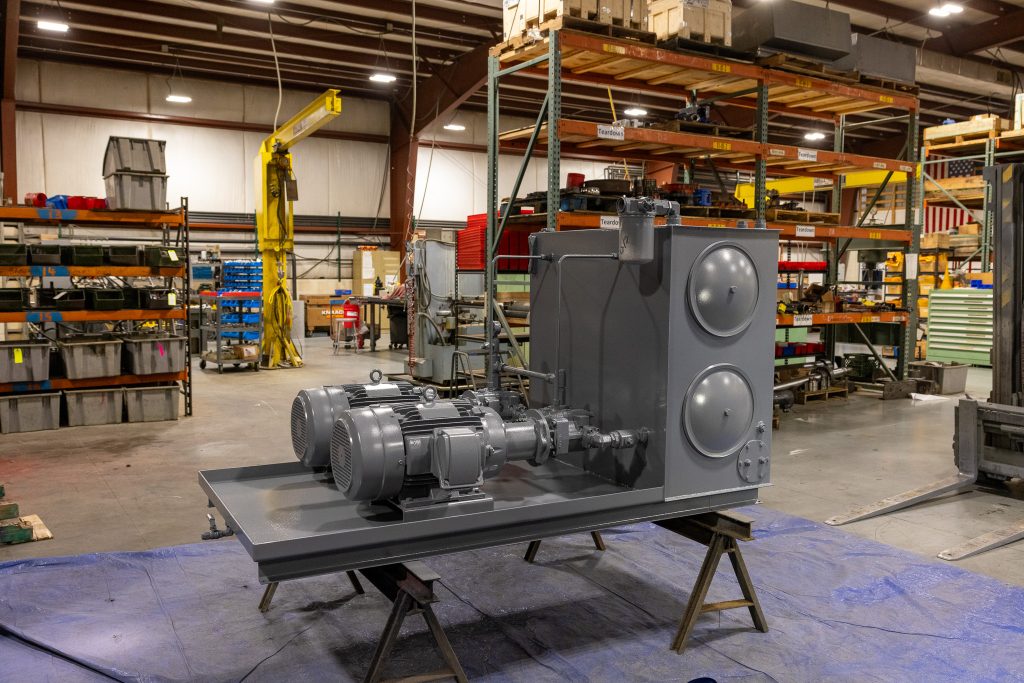
A hydraulic pump moves fluid through the system. A hydraulic power unit is a more complete assembly that typically includes the pump, motor, reservoir, filtration, valves, and other components needed to generate and control hydraulic power.
A hydraulic power unit is primarily sized according to the pressure and flow required by the application. The design must also consider duty cycle, reservoir capacity, motor horsepower, pump type, heat generation, filtration, available space, fluid type, and electrical requirements.
Useful information includes required force, movement speed, stroke or rotation, operating pressure, flow rate, duty cycle, hydraulic fluid, temperature, available space, electrical power, control sequence, environmental conditions, and applicable safety requirements.
PennAir helps manufacturers, machine builders, system integrators, industrial facilities, and equipment operators build, maintain, and improve hydraulic systems.
Whether you need a single hydraulic cylinder or support sourcing and assembling a more complete system, our team can help connect the components that keep hydraulic equipment operating reliably. That includes cylinders, manifolds, valves, hose assemblies, fittings, filtration, pumps, motors, and hydraulic power units.
Instead of coordinating multiple suppliers for individual parts, work with PennAir to simplify component selection, purchasing, assembly, replacement, and ongoing support.
Hydraulic systems depend on multiple components working together at the correct pressure, flow rate, temperature, and duty cycle.
A cylinder must produce the required force and movement. The pump and power unit must supply adequate pressure and flow. Valves and manifolds must control fluid direction, pressure, and speed. Hoses, fittings, and filtration must protect system performance and reliability.
PennAir helps bring those components together.
Our hydraulic capabilities include:
A hydraulic project may begin with a new or replacement cylinder, but selecting the right cylinder requires more than matching its physical dimensions.
PennAir helps customers evaluate standard and custom hydraulic cylinder options based on application requirements such as:
Whether you are building new equipment, replacing an obsolete cylinder, or improving an existing machine, PennAir helps identify a solution that fits the application.
Hydraulic manifolds centralize fluid passages and valve functions within a compact assembly. They can reduce external plumbing, simplify system layouts, and create a more organized method of controlling hydraulic functions.
PennAir supports hydraulic manifold and valve applications involving:
Our team can help review pressure, flow, porting, valve functions, mounting requirements, electrical connections, and component availability.
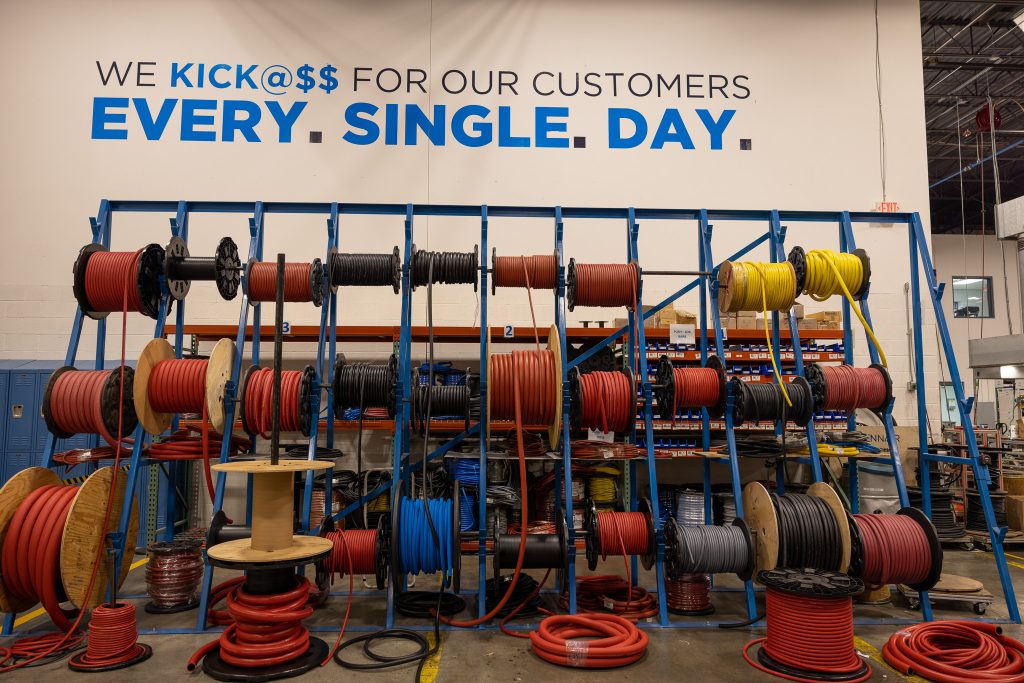
Hydraulic hose selection must account for more than hose diameter. Pressure, temperature, hydraulic fluid, routing, bend radius, movement, abrasion, and fitting style all affect the performance and service life of the assembly.
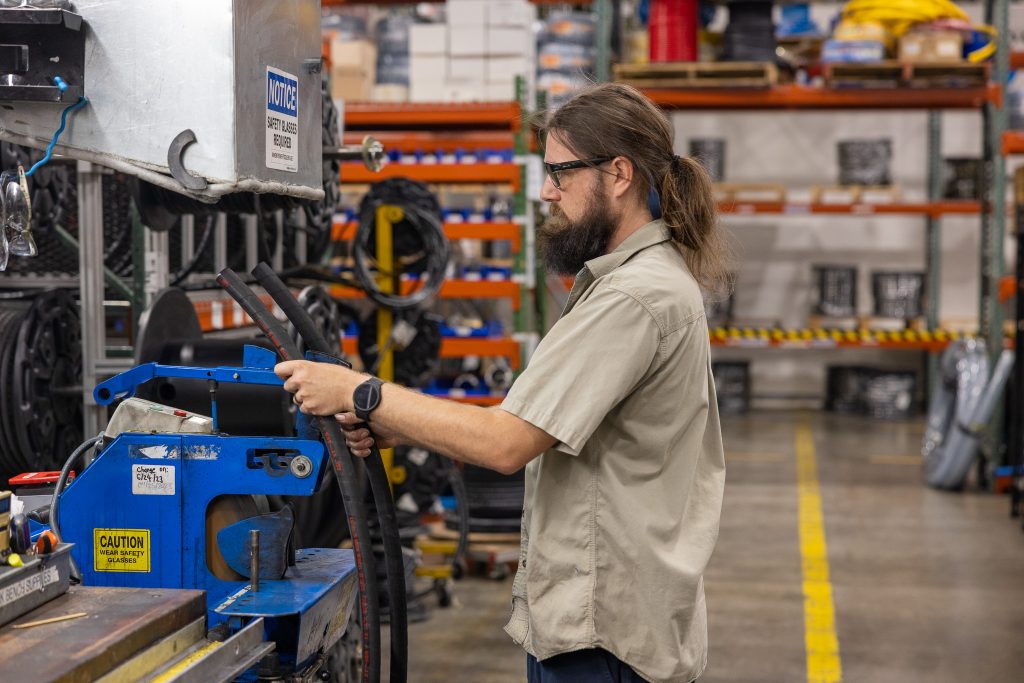
PennAir provides hydraulic hose assembly and replacement support for industrial equipment, production machinery, mobile equipment, and maintenance applications.
Our hose capabilities include:
Properly specified hose assemblies help reduce leakage, premature failure, unplanned downtime, and maintenance concerns.
A hydraulic power unit supplies the pressure and flow needed to operate cylinders, motors, and other hydraulic devices.
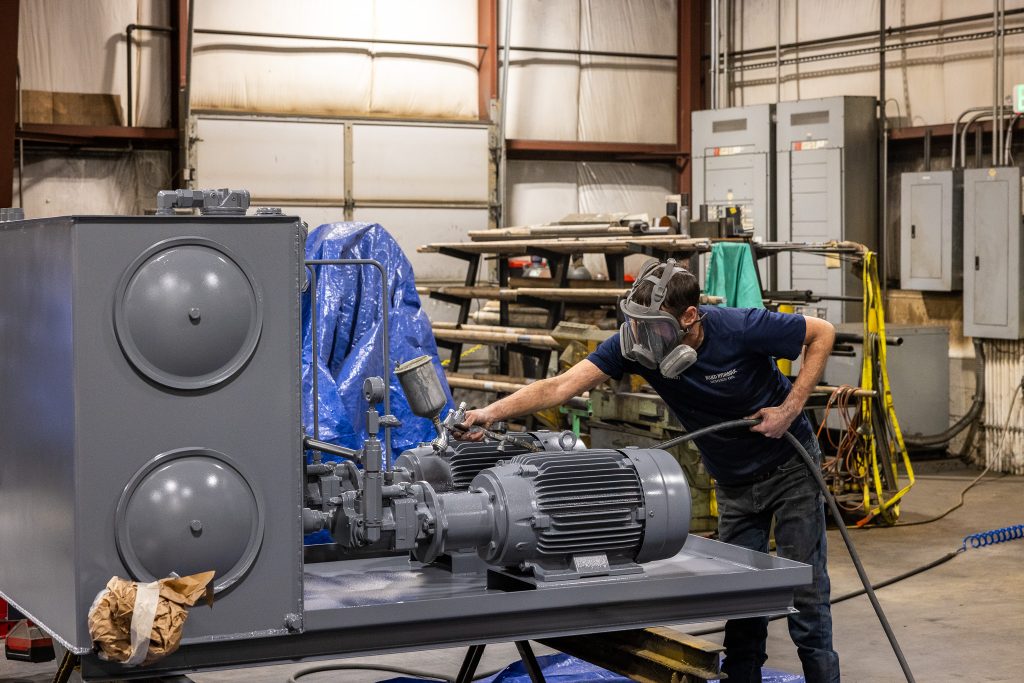
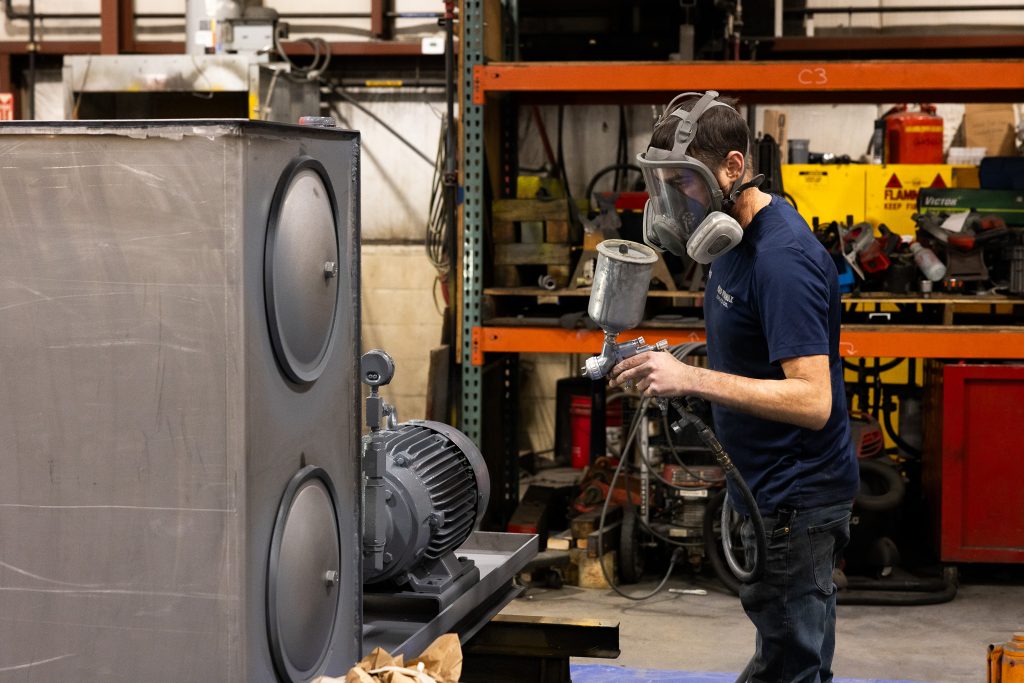
PennAir supports hydraulic power unit assembly for new equipment, plant upgrades, machine retrofits, replacement systems, and other industrial applications.
Depending on the application, a hydraulic power unit may include:
Power unit requirements are evaluated based on pressure, flow, duty cycle, reservoir capacity, cooling needs, fluid type, available space, electrical power, and the operating environment.
You may only need one cylinder today.
As the project develops, that need may expand to include a manifold, valve package, hose assembly, filtration system, replacement pump, or complete hydraulic power unit.
PennAir can remain involved as the scope grows, helping your team maintain consistency across the hydraulic system. This provides a practical path for customers who need a single component now but may require additional support later.
Our team supports:
Reduce Supplier Coordination
Source more of your hydraulic components and assemblies through one established partner instead of managing separate vendors for every part of the system.
Improve Component Compatibility
Evaluate pressure, flow, porting, hydraulic fluid, mounting, electrical connections, and environmental requirements across the application.
Simplify Assembly and Installation
Use hose assembly, hydraulic power unit assembly, kitting, labeling, and documentation services to reduce internal preparation and bench work.
Support Repeat Builds
Improve consistency across repeat machines and installations with documented components, assemblies, labels, and Bill of Material information.
Access Local Inventory and Technical Support
Work with responsive engineering, sales, assembly, and technical teams for component selection, system development, replacement, troubleshooting, and ongoing support.
Support New and Existing Equipment
PennAir supports both new hydraulic projects and existing systems that require replacement components, upgrades, maintenance, or troubleshooting.
What Information Should You Send PennAir?
Send any available information about your hydraulic application, including:
You do not need to have every detail finalized before starting the conversation. PennAir can help identify missing information and determine the next step.
When an existing hydraulic component needs more than a replacement part, PennAir’s sister brand, Allied Hydraulic Service Co., provides professional hydraulic repair, rebuilding, and replacement services.
Allied Hydraulic services hydraulic and pneumatic cylinders, pumps, motors, valves, hydrostatic systems, and hydraulic power units for industrial and mobile equipment. Their repair process includes inspection, rebuilding, and testing to help restore reliable performance and reduce repeat failures.
Whether you need new hydraulic components and system support from PennAir or repair and rebuilding expertise from Allied Hydraulic, our family of companies can help keep your equipment moving.