
- info@pennair.com
- 888-631-7638
- Service Counter: 717-840-1600
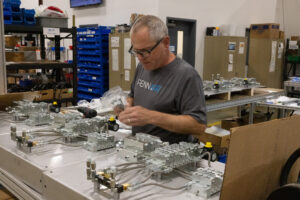
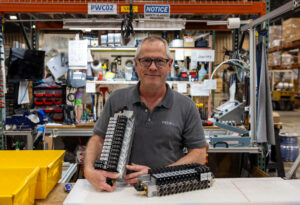
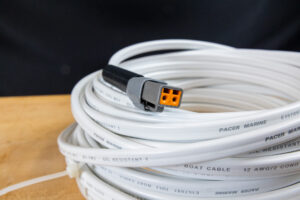
Lead time depends on complexity, material availability, connector sourcing, and whether a harness design is already in your file set. Once specifications are complete, we can give an accurate schedule tailored to your order.
Yes. PennAir provide prototype builds so you can validate form, fit, and function before scaling to larger quantities. This helps catch design issues early and ensures repeatability.
Pricing is driven by materials (wire types, connectors, insulation), complexity, length, terminations, and volumes. Detailed specifications enable accurate cost estimates.
Expedited options are often available, subject to material availability and capacity. If lead time is critical, early communication helps prioritize your project.
We often support industry standards such as IPC/WHMA-A-620 and specific customer compliance requirements, which define assembly acceptability and quality criteria
Quality checks may include continuity testing, insulation resistance testing, visual inspection, and functional tests. Documentation of these checks increases confidence in repeatability and performance
Yes. We handle applications up to 600+ volts, specialty insulation, and environmental protection levels, supporting diverse applications beyond standard low-voltage builds.
Yes. We handle applications up to 600+ volts, specialty insulation, and environmental protection levels, supporting diverse applications beyond standard low-voltage builds.
Specifying a wire harness correctly is the difference between smooth production and ongoing failures, delays, or rework. The most critical factors to lock down early are electrical requirements, materials, termination methods, labeling, and testing standards. Clear documentation, realistic lead time planning, and defined quality controls are what enable repeatable builds at scale. At Pennair, we see the same specification gaps cause the same problems, so this guide focuses on what to define up front to get consistent builds from prototype through production.
Ready to get started? Call us at 888-631-7638 or email us at info@pennair.com
Wire harnesses are foundational components in industrial equipment, automation systems, and machinery. While they may look simple on the surface, small specification gaps can lead to performance issues, missed delivery dates, and inconsistent builds over time.
We manufacture wire harness assemblies for customers, and the most common challenges are predictable. The good news is that they are also preventable when the right details are specified early.
Every wire harness starts with understanding how it will perform electrically and where it will live.
You should clearly specify:
Operating voltage and current requirements
Temperature exposure, both ambient and internal
Environmental conditions such as moisture, oils, chemicals, or vibration
For example, we support harness builds with voltage handling up to 600+ volts and temperature ratings up to 250°F. Those requirements influence wire selection, insulation type, protective features, and the termination approach, so it helps to call them out from the start.
Material choices have a direct impact on durability, safety, and long term performance.
Key items to define include:
Wire gauge and conductor type
Insulation material and jacket type
Shielding requirements, if needed
Color coding and striping for identification
We can support common and specialty insulation materials, and we regularly build harnesses with custom colors and striping. That may sound minor, but it can make a real difference for installation speed, serviceability, and reducing wiring mistakes in the field.
Terminations are one of the most common failure points in wire harness assemblies.
Specifications should include:
Crimped or soldered terminations
Connector types and pinouts
Strain relief or protective features
At Pennair, we offer both soldered and crimped terminations, because the right choice depends on vibration exposure, electrical performance, and expected service life. When you specify termination expectations early, you reduce surprises during production and improve long term reliability.
How a harness is built physically affects both reliability and repeatability.
Important details to define:
Wire ties and lacing requirements
Heat shrink coatings or protective jackets
Custom shielding for enhanced protection
Overall length tolerances and breakouts
We commonly build harnesses with wire ties and lacing, heat shrink coatings, and custom shielding when applications need added protection. Consistency here is what helps harnesses fit correctly, route cleanly, and hold up over time.
Clear identification supports quality control, faster installation, and easier troubleshooting.
Consider specifying:
Custom labeling or barcoding
Individual tagging for each branch or connector
Documentation requirements
We can support custom labeling or barcoding and individual tagging for easy identification. These details are especially helpful when the same harness is installed across multiple machines, or when service teams need to troubleshoot quickly.
Quality should never be assumed. It should be defined.
Make sure expectations are clear for:
In process inspections
Final continuity and visual checks
Compliance with relevant industry standards
When quality checks and acceptance criteria are established up front, the harness build becomes repeatable and inspectable. That matters whether you are ordering a single prototype or scaling into production quantities.
Lead time is influenced by more than just build time.
To avoid delays, clarify:
Prototype versus production quantities
Forecasted volumes and ramp schedules
Material sourcing constraints
We support scalable manufacturing for prototypes and higher volume runs. When we have forecast information early, it helps us plan sourcing, labor, and scheduling so lead times stay predictable.
Repeatability depends on documentation.
At minimum, provide or request:
Detailed drawings or build specifications
Bill of materials
Revision tracking and change management
Clear documentation ensures future builds match the original intent, even months or years later, and it prevents small, unintended changes from slipping into production.
A wire harness manufacturer should do more than assemble wires. The right partner helps select materials, define terminations, clarify labeling, and establish inspection steps so the harness is reliable and repeatable.
At Pennair, our wire harness capabilities are designed around those outcomes, including support for higher voltage applications, elevated temperature environments, specialty insulation materials, soldered and crimped terminations, custom labeling or barcoding, individual tagging, heat shrink protection, and custom shielding.
You can see how this popup was set up in our step-by-step guide: https://wppopupmaker.com/guides/auto-opening-announcement-popups/
You can see how this popup was set up in our step-by-step guide: https://wppopupmaker.com/guides/auto-opening-announcement-popups/
You can see how this popup was set up in our step-by-step guide: https://wppopupmaker.com/guides/auto-opening-announcement-popups/
You can see how this popup was set up in our step-by-step guide: https://wppopupmaker.com/guides/auto-opening-announcement-popups/
You can see how this popup was set up in our step-by-step guide: https://wppopupmaker.com/guides/auto-opening-announcement-popups/
You can see how this popup was set up in our step-by-step guide: https://wppopupmaker.com/guides/auto-opening-announcement-popups/
You can see how this popup was set up in our step-by-step guide: https://wppopupmaker.com/guides/auto-opening-announcement-popups/
 English
  Español de México